
Disposable Gloves in Food Businesses: Are They Really Keeping Food Safe?
Walk into many commercial kitchens and you will see staff wearing disposable gloves. Disposable gloves in food businesses often look like a clear sign of hygiene to customers and managers alike.
But do disposable gloves actually improve food safety?
In UK food law, the answer is more complicated than many food businesses realise.
What UK Food Safety Law Says About Gloves
UK food safety legislation places a clear emphasis on handwashing, not glove use.
Under the Food Safety Act 1990 and retained Regulation (EC) 852/2004 on the hygiene of foodstuffs, food handlers must:
-
Keep their hands clean
-
Wash hands as often as necessary to prevent contamination
-
Have access to dedicated handwashing basins
-
Use hot water, soap and hygienic hand drying
Food businesses are legally required to provide these facilities.
Importantly, disposable gloves are not identified in law as a primary food safety control.
Gloves may be used in certain situations, but they do not replace proper handwashing.
Why Gloves Can Reduce Food Safety Compliance
Research consistently shows that routine glove use can actually reduce handwashing compliance.
When gloves are worn constantly, they often create a false sense of security. Staff may believe gloves keep food safe even when hygiene practices slip.
Common problems seen in kitchens include:
-
Gloves worn for long periods without changing
-
Staff skipping handwashing because gloves are on
-
Touching phones, money or faces with gloved hands
-
Handling raw food and then ready-to-eat food without changing gloves
In these situations, gloves simply transfer contamination rather than preventing it.
Gloves Become Contaminated Quickly
Disposable gloves do not stay clean for long.
They easily pick up bacteria from:
-
Hands
-
Work surfaces
-
Equipment
-
Raw food products
Gloves can also develop micro-tears during use. Once damaged, they provide little barrier protection.
Because of this, contaminated gloves can spread pathogens just as effectively as unwashed hands.
The Hidden Financial Cost of Disposable Gloves
Disposable gloves also create a significant ongoing cost for food businesses.
In a typical kitchen with four staff changing gloves ten times per shift, around 80 gloves are used every day.
Over a year this usually costs between £850 and £1,400, depending on glove type.
Crucially, this cost is in addition to handwashing, not instead of it.
Staff must still wash their hands:
-
Before putting gloves on
-
After removing gloves
-
Between tasks
This means gloves increase operational costs without reducing hygiene requirements.
The Environmental Impact of Single-Use Gloves
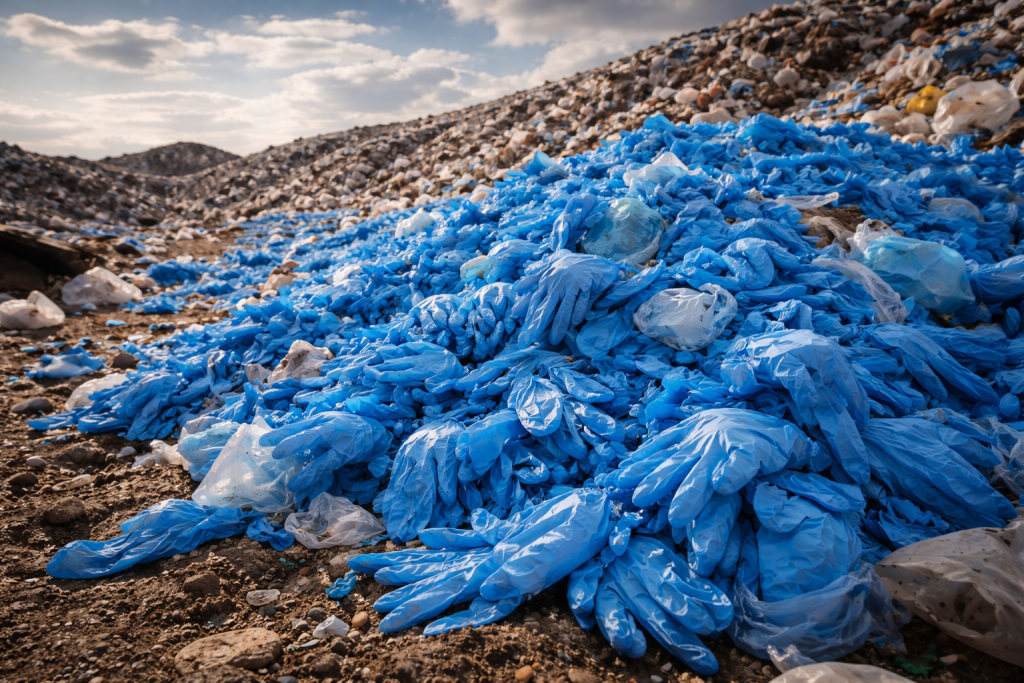
Most disposable gloves are made from single-use plastics such as nitrile or vinyl.
These gloves typically cannot be recycled and are sent to landfill or incineration after use.
For busy kitchens using thousands of gloves each year, the environmental impact can be significant.
Reducing unnecessary glove use can help businesses cut plastic waste and lower their environmental footprint.
Best Practice for Food Businesses
The safest and most effective approach remains proper handwashing and good hygiene practices.
Disposable gloves should only be used selectively, for example:
-
Covering cuts or wounds
-
Handling certain ready-to-eat foods
-
Specific allergen or contamination controls
They should never replace handwashing or basic food hygiene procedures.
For most food businesses, strong handwashing compliance is still the most reliable defence against food contamination.
Do food handlers need to wear gloves in the UK?
No. UK food safety law focuses on proper handwashing and hygiene practices. Disposable gloves may be used in some situations but they do not replace handwashing.
A Smarter Approach to Food Safety
For many food businesses, reducing routine glove use can deliver two important benefits: stronger hygiene practices and lower environmental impact.
By focusing on proper handwashing and clear hygiene procedures, businesses can improve food safety while also reducing unnecessary plastic waste and ongoing supply costs.
Good food safety practices don’t just protect customers — they also support more sustainable and cost-effective kitchen operations.
If your organisation wants clearer oversight of hygiene standards across multiple sites, Safer Food Scores helps businesses monitor food safety compliance, track actions and maintain visibility across every location.