
Pest control for food businesses: your autumn action plan
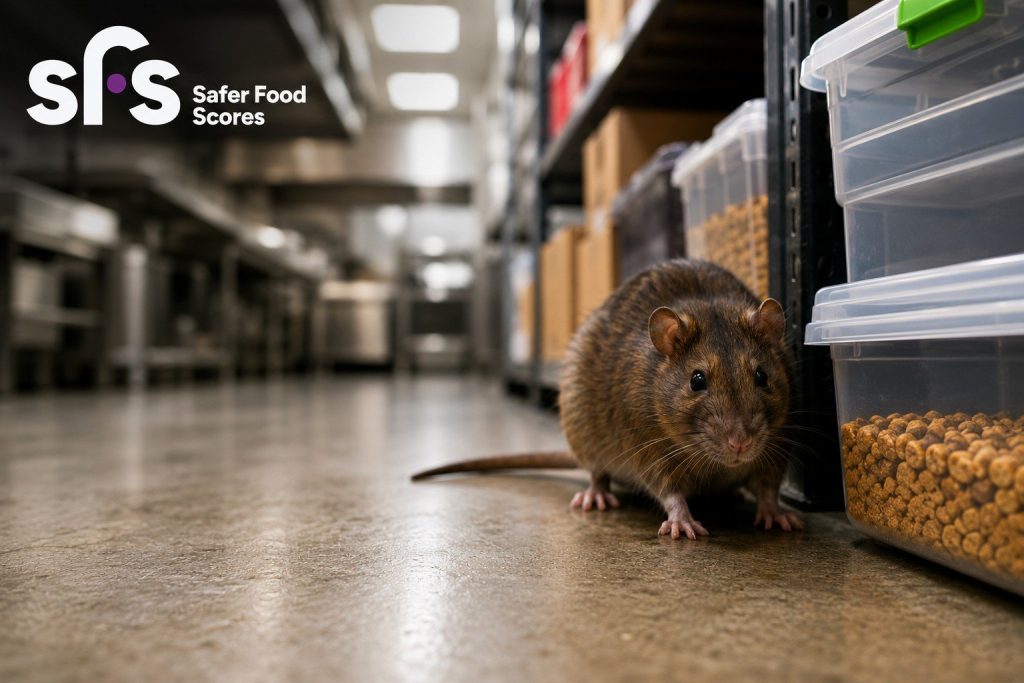
A pest control visit can identify a problem. What happens afterwards determines whether it gets resolved.
As the weather cools, pest control for food businesses deserves a fresh look. A damaged door seal, an overflowing bin or a repair left unfinished can give rodents an opportunity to move indoors.
At Safer Food Scores, we help businesses turn food safety advice into practical action. Here is what to look for, what effective pest management involves and how to keep improvements on track.
A timely reminder for food businesses
On 1 September 2026, The Caterer reported that two Westminster restaurants had been ordered to pay more than £37,000 following mouse infestations. Both had been required to close after officers identified an imminent risk to health. Findings included droppings near a food preparation area, on shelving and beneath refrigeration.
For managers, this raises practical questions. Are checks finding problems early? Are repairs being completed? Is someone checking that the measures taken have worked?
Effective pest management depends on recognising warning signs and following through on the action needed.
Why autumn is a good time to review pest control
As temperatures fall and outdoor food becomes less available, rats seek shelter and food, including inside buildings. Autumn is therefore a useful prompt to check your premises before winter.
Start with delivery doors, pipe entries, bin stores and less-used rooms. Check again after building work or changes to storage.
However, pest prevention is a year-round job. Warm kitchens can support insect activity throughout the year, and rodents already inside do not disappear when the season changes.
Signs of pests your team should recognise
You may spot evidence before you see a pest. Include these signs in staff briefings:
- Rats and mice: droppings, gnawed packaging, greasy marks along edges, damaged materials or scratching sounds.
- Cockroaches: live or dead insects, droppings, egg cases and shed skins.
- Stored-product insects: beetles, larvae or other unexpected insect activity in dry ingredients.
- Birds: feathers, droppings or nesting around access points.
Look in quieter areas as well as the main kitchen. Stores, service voids and spaces behind equipment can conceal activity.
Make reporting straightforward: tell the duty manager immediately, record the location and time, and take a photograph if safe. Staff should feel comfortable raising a concern before they know exactly what it is.
What effective pest control looks like
1. Prevent access
Ask your contractor to identify entry points and recommend suitable repairs. Check door seals, gaps around services and damaged screens. Small openings matter: the British Pest Control Association advises that mice can exploit gaps of around 6mm.
Agree repairs with whoever controls the building, including the landlord where necessary. Give each job an owner and completion date.
2. Remove food, water and shelter
Keep ingredients protected, clear spillages promptly and remove unnecessary clutter. Repair leaks and organise storage so staff can inspect and clean around it.
Outside, provide enough bin capacity for waste to fit beneath closed lids. Avoid leaving rubbish bags beside bins, and address missed collections before waste builds up.
3. Check between contractor visits
Build checks into your opening and closing routines. Check deliveries for damaged packaging or insects and reject affected goods.
Increase checks when activity is suspected. Keep sightings, contractor findings and completed actions together so managers can see whether the situation is improving.
The Food Standards Agency recommends recording contractor advice and when actions have been completed.
4. Use treatment suited to the problem
Traps and bait can form part of a professional programme, but they do not repair access points or remove food sources. Rodenticide resistance is another reason to use competent professional advice.
Do not improvise with domestic poisons or insect sprays around food. Treatment must protect people, food, packaging and equipment from contamination. Cockroach problems, in particular, may need a planned course of professional treatment.
What should you ask your pest contractor?
Use the next visit to ask:
- Which pests and areas does our agreement cover?
- Are visit frequency and emergency response suitable for our risks?
- Where is activity occurring, and is it reducing?
- What repairs or housekeeping changes do we need to complete?
- When will you return to check treatment effectiveness?
Choose a contractor with appropriate training, experience and insurance. British Pest Control Association membership is one way to identify a provider assessed against professional requirements.
What to do if you find pest activity
Tell the manager and contact a competent pest contractor immediately.
If food preparation or storage areas may be contaminated, stop affected operations, protect other areas and obtain urgent advice. Discard food that pests may have contaminated. Clean, disinfect and dry affected equipment, utensils and surfaces using a safe procedure.
If you cannot establish where contamination ends, do not assume another part of the kitchen is safe. Seek advice from your local environmental health team about the extent of any closure and safe reopening.
Record what happened, the action taken and the checks needed before restarting. A contractor attending is the beginning of the response; the contamination and underlying causes still need to be addressed.
From pest report to practical action with ASR
A report can highlight a damaged door seal or a gap around pipework. The next step is making sure someone acts on it.
With ASR, our digital compliance platform, you can upload your pest contractor’s report to the document store and record the actions needed at the same time. This helps prevent recommendations being lost in an inbox or left in a report that nobody revisits.
For example, if your contractor identifies a gap beneath a delivery door, record the repair as an action when you upload the report. Your management review can then check that the work has been completed and the contractor’s advice followed.
The same approach works for cleaning improvements, storage changes and follow-up checks. Your team has a clear record of the report, what needs doing and the action taken.
The report records the finding. The action helps you put it right.
Practical support from Safer Food Scores
Running a food business means balancing maintenance, staffing, deliveries and service. We work alongside your team and pest contractor to identify food safety risks, prioritise improvements and follow actions through.
We are your food safety partners: approachable support to help you understand what needs doing and make it happen.
Need help strengthening pest prevention or keeping track of follow-up actions? Contact Safer Food Scores at hello@saferfoodscores.co.uk to discuss practical support or an ASR demonstration.