How to Prepare for an EHO Inspection: A Practical Food Safety Checklist
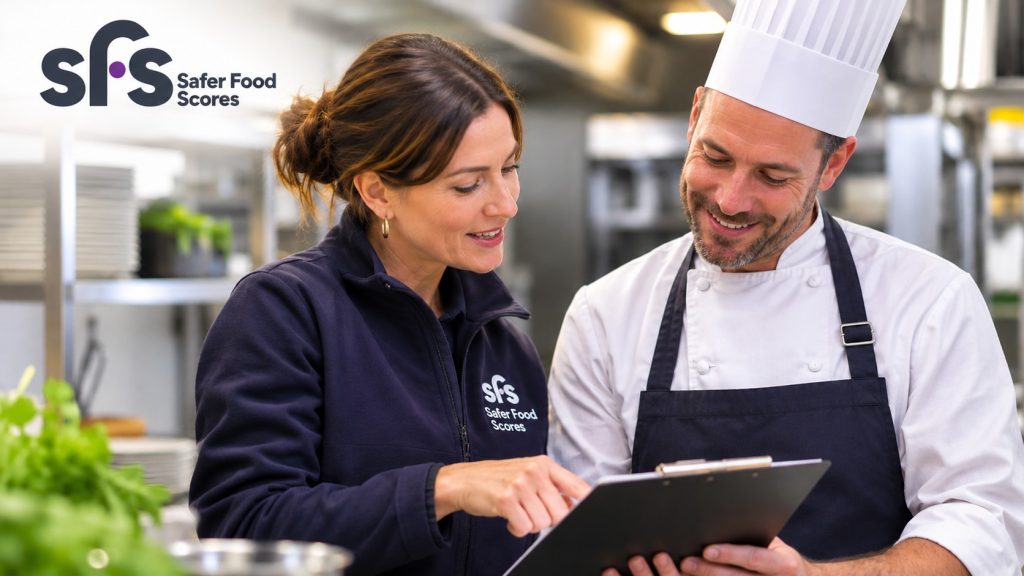
Knowing how to prepare for an EHO inspection is essential for any food business. Whether you run a restaurant, café, hotel, bakery or commercial kitchen, an Environmental Health Officer can visit without warning. The good news is that preparing doesn’t need to be stressful. With the right food safety procedures, trained staff and regular checks, you can approach your next inspection with confidence.
What is an EHO inspection?
An EHO inspection is a visit by an authorised local authority officer to assess whether your food business is complying with food safety and hygiene legislation.
Inspections may be carried out as part of a routine programme, following a complaint, or when a new food business begins operating.
Environmental Health Officers and other authorised food safety officers can inspect food premises, review documentation, observe food handling practices and speak to employees.
Their purpose is to protect public health by ensuring that businesses produce and serve safe food.
What Does an EHO Check During an Inspection?
In England, Wales and Northern Ireland, the Food Hygiene Rating Scheme assesses three main areas:
1. Hygienic food handling
Inspectors assess how safely food is stored, prepared, cooked, cooled, reheated and served.
This includes checking:
- Food temperatures and temperature controls.
- Separation of raw and ready-to-eat foods.
- Prevention of cross-contamination.
- Personal hygiene and handwashing.
- Food storage and stock rotation.
- Safe food preparation practices.
2. Cleanliness and condition of the premises
Inspectors also consider whether the premises and equipment are suitable for safe food production.
They may examine:
- Cleaning standards and schedules.
- Condition of walls, floors and ceilings.
- Food preparation surfaces and equipment.
- Handwashing facilities.
- Pest prevention and evidence of pest activity.
- Waste management.
- Ventilation and maintenance.
3. Confidence in management
This is an important part of the inspection that businesses sometimes overlook.
Inspectors consider how effectively food safety is managed and whether standards are likely to be maintained.
They may look at:
- Staff knowledge and supervision.
- Monitoring and corrective action records.
- Training and instructions.
- Management oversight.
- How quickly identified problems are addressed.
An immaculate kitchen alone does not guarantee a Food Hygiene Rating of 5. Inspectors also need confidence that the business has effective systems to maintain safe standards.
How to Prepare for an EHO Inspection: 10 Essential Steps
1. Review your food safety management system
Make sure your HACCP-based food safety management system reflects what actually happens in your kitchen.
Check that procedures cover your current menu, ingredients, equipment and processes.
If your business has introduced new dishes, changed suppliers or altered food preparation methods, consider whether your hazard analysis and controls need updating.
Your documentation should be understandable and accessible to the staff who use it.
2. Check your food safety records
Review the records required by your food safety management procedures.
These might include:
- Temperature monitoring.
- Cleaning checks.
- Corrective actions.
- Food safety training.
- Pest control.
- Equipment maintenance.
- HACCP reviews and verification.
Records should be accurate, relevant and completed as required.
Remember, a completed form is not proof of good food safety unless the checks have genuinely taken place.
3. Check temperature controls
Review the temperature controls for chilled, frozen, cooked, cooled and reheated food.
Ensure that staff understand the limits specified in your food safety procedures and know what action to take when something goes wrong.
Check that probe thermometers are suitable, working correctly and subject to appropriate accuracy checks.
Don’t just ask whether temperatures are being recorded. Ask whether staff understand what the results mean.
4. Review cleaning standards
Walk through your premises as though you were seeing them for the first time.
Pay particular attention to areas that can be missed during routine cleaning, including:
- Under and behind equipment.
- Fridge and freezer seals.
- Shelving and storage areas.
- Food contact surfaces.
- Extraction and ventilation areas.
- Waste storage areas.
Make sure cleaning procedures specify suitable chemicals, correct use and responsibilities.
5. Check food storage and cross-contamination controls
Inspect fridges, freezers, dry stores and food preparation areas.
Check that food is appropriately covered, labelled and stored.
Pay particular attention to the separation of raw and ready-to-eat foods, including the use of equipment and utensils.
Review stock rotation, date marking and procedures for handling food that is no longer suitable for use.
6. Review allergen management
Make sure your allergen procedures reflect your current menu and ingredients.
Staff should know where to find accurate allergen information and how to respond to customer enquiries.
Review procedures for preventing unintended allergen cross-contact and communicating allergen requirements between front-of-house and kitchen teams.
Remember that allergen information must be accurate, and the legal requirements differ depending on how food is sold or packaged.
7. Check staff training and understanding
Training certificates are useful, but inspectors may also ask staff practical questions about their work.
For example:
- What would you do if a fridge was too warm?
- How do you prevent cross-contamination?
- Where can you find allergen information?
- What should you do if you are unwell?
- Who do you report food safety concerns to?
Staff should understand the procedures relevant to their responsibilities, not simply know where the paperwork is kept.
8. Review maintenance and pest control
Check for damaged equipment, deteriorating surfaces, gaps that could allow pest entry and outstanding repairs.
Review pest monitoring arrangements and ensure that any identified problems have been addressed.
Where repairs cannot be completed immediately, assess the food safety risk and put suitable interim controls in place.
9. Review previous inspection findings
If your business has been inspected before, revisit the previous report.
Have all required improvements been completed?
Were the underlying causes addressed, or have the same issues started to reappear?
Recurring problems can indicate weaknesses in management oversight.
A simple action plan showing what was identified, who was responsible and when it was resolved can be helpful.
10. Carry out a practice food safety inspection
One of the most effective ways to prepare is to review your business from an inspector’s perspective.
Observe food preparation during a normal service, speak to staff, check your documentation and inspect the condition of the premises.
An independent food safety audit can provide an additional perspective and help identify problems that internal teams may have become accustomed to.
The aim should be to improve everyday compliance, not simply prepare for the next inspection.
Free EHO Inspection Preparation Checklist
Use this quick checklist to review your business.
| Area | What to check |
|---|---|
| Food safety system | HACCP procedures are current and reflect actual practices. |
| Temperature control | Food temperatures are controlled and monitored appropriately. |
| Cleaning | Premises and equipment are clean and maintained. |
| Cross-contamination | Effective separation and handling controls are in place. |
| Allergens | Information is accurate and staff understand procedures. |
| Personal hygiene | Handwashing facilities and hygiene practices are suitable. |
| Training | Staff understand the food safety procedures relevant to their roles. |
| Pest control | Prevention and monitoring arrangements are effective. |
| Records | Required checks and corrective actions are documented. |
| Management | Previous issues have been addressed and controls are reviewed. |
Top tip: Don’t wait until an inspection is expected. Make this checklist part of your regular management routine.
What Happens When an EHO Arrives?
Food hygiene inspections are usually unannounced.
When an authorised officer arrives:
- Ask to see their identification.
- Inform the appropriate manager or person in charge.
- Cooperate with the inspection and provide reasonable access.
- Make relevant records and procedures available.
- Answer questions accurately and encourage staff to do the same.
- Ask for clarification if you do not understand an observation.
- Take immediate action where an unsafe practice or significant risk is identified.
There is no need to panic or attempt to hide problems.
A professional, open approach allows the officer to understand how your business operates and how food safety is managed.
How Do You Achieve a 5-Star Food Hygiene Rating?
In England, Wales and Northern Ireland, the Food Hygiene Rating Scheme uses a scale from 0 to 5.
| Rating | Meaning |
|---|---|
| 5 | Hygiene standards are very good |
| 4 | Hygiene standards are good |
| 3 | Hygiene standards are generally satisfactory |
| 2 | Some improvement is necessary |
| 1 | Major improvement is necessary |
| 0 | Urgent improvement is necessary |
To achieve a rating of 5, a business needs to demonstrate very good standards across hygienic food handling, the condition of the premises and food safety management.
The rating reflects the standards observed during the inspection.
It is not a guarantee of future performance, which is why maintaining consistent standards matters.
Note: Scotland operates a different Food Hygiene Information Scheme.
What Happens If You Don’t Get a 5?
A rating below 5 doesn’t necessarily mean that every aspect of your operation is poor.
However, it does indicate that improvements are needed.
Your inspection report should explain the findings and any required actions.
Depending on the seriousness of the issues, enforcement officers may provide advice, require improvements or take formal enforcement action.
Businesses should prioritise any immediate food safety risks, address the underlying causes of non-compliance and ensure improvements are sustained.
Where the Food Hygiene Rating Scheme applies, businesses may also have rights to appeal, submit a right-to-reply statement or request a re-rating inspection, subject to the applicable procedures.
Frequently Asked Questions About EHO Inspections
Can an EHO visit without warning?
Yes. Authorised local authority food safety officers can generally inspect food business premises at reasonable times without an appointment. Special arrangements may apply to home-based food businesses.
How often does an EHO inspect a restaurant?
Inspection frequency depends on the risk associated with the business, its activities, the consumers it serves, previous hygiene standards and management controls. There is no single inspection interval that applies to every restaurant.
What documents will an EHO ask to see?
An officer may request your HACCP-based food safety management procedures, relevant monitoring records, corrective action records, training information and other documents needed to assess compliance.
Can you fail an EHO inspection?
An inspection may identify non-compliance and result in a low food hygiene rating or enforcement action. Serious food safety risks can lead to restrictions on activities or closure procedures.
Does an EHO inspection include allergen management?
Inspectors may examine allergen controls and compliance with relevant food information requirements. The scope can depend on the purpose of the inspection and the responsibilities of the inspecting officer.
How can I improve my food hygiene rating?
Start by reviewing the findings from your previous inspection. Address identified problems, review your food safety management system, improve staff understanding and verify that corrective actions are effective.
Why Preparing for an EHO Inspection Is About Everyday Food Safety
The businesses best prepared for an EHO visit are usually those where food safety is part of everyday operations.
Staff understand their responsibilities. Managers know where risks exist. Problems are identified early and corrective actions are followed through.
At Safer Food Scores, we help food businesses make this happen.
Our experienced food safety consultants provide practical support with food safety audits, HACCP-based management systems, staff training and ongoing compliance.
We work alongside your team to understand how your business operates and help you develop systems that are practical, effective and proportionate.
Because food safety shouldn’t be something you worry about only when an inspector walks through the door.
Safer Food Scores — Your Compliance Friend.
Want to know how prepared your business is for its next inspection?
Speak to our team about a practical food safety review or independent audit.
For more information viist: Official Food Hygiene Rating Scheme guidance and Food Standards Agency inspection guidance.