
Opening a Restaurant or Café: Your Food Safety Checklist
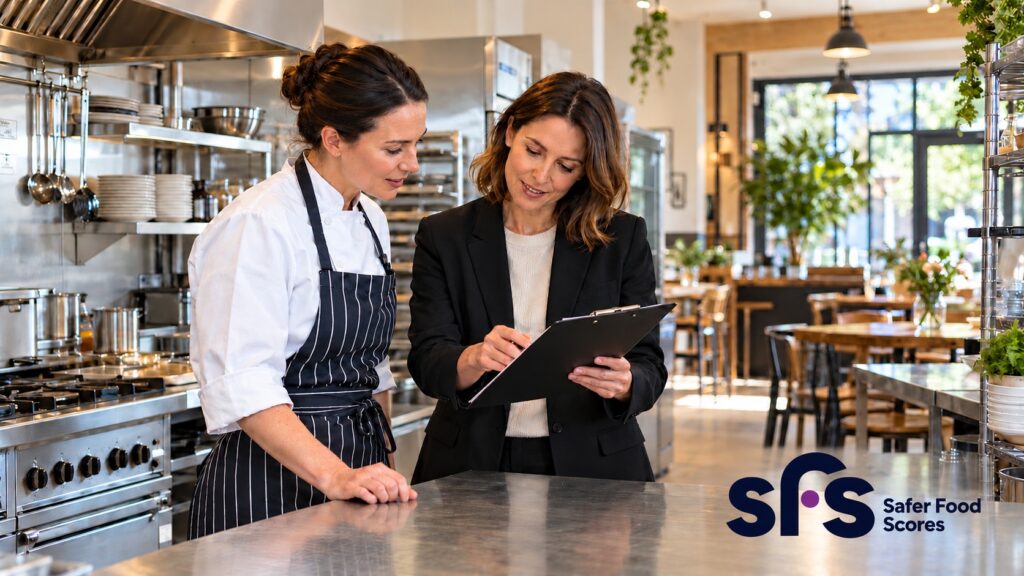
Opening a restaurant or café involves more than choosing a menu and welcoming your first customers. Food safety needs to be part of your plans from the start.
A clear opening checklist helps you organise the work, prepare your team and spot problems before your first service. It also helps you build routines that remain manageable when the kitchen gets busy.
This guide covers the main food safety steps for new restaurants and cafés in England, Wales and Northern Ireland.
1. Register your food business before opening
You must register your food business with your local authority at least 28 days before you start trading. Registration is free.
This applies when you open a new restaurant or café and when you take over an existing food business. If you operate from several premises, you need to register each location with the relevant local authority.
Make registration an early milestone in your opening plan. Keep a copy of the confirmation with your business records.
Use the official food business registration guidance to find the registration service and check what applies to your business.
2. Check that your premises support safe working
A kitchen may look attractive while still being difficult to operate safely. Before committing to a fit-out, consider how food, staff, equipment and waste will move through the space.
Walk through a typical service. Where will deliveries arrive? Where will ingredients be stored? Can staff wash their hands easily? Will dirty equipment pass through areas where ready-to-eat food is prepared?
Your premises need suitable washing facilities, ventilation, drainage and surfaces that can be cleaned effectively. They must also be maintained in good condition.
Discuss your plans with the local authority before major changes. The government’s starting a food business guidance explains the main premises requirements and wider opening considerations.
3. Put your food safety management system into practice
Your restaurant or café needs food safety procedures based on HACCP principles. HACCP means Hazard Analysis and Critical Control Points. It helps you identify hazards and decide how to control them.
For small catering businesses in England and Wales, Safer Food, Better Business may provide a suitable starting point. Northern Ireland has its own catering guidance.
Choose procedures that reflect your menu and preparation methods. Keep records current and review your system when the operation changes.
For example, adding cooked dishes to a café that previously sold drinks and bought-in cakes changes the tasks your team needs to manage.
Read the official guidance on managing food safety when setting up your system.
4. Make allergen information part of your menu planning
Customers need accurate information about the regulated allergens in the food you sell. Your team also needs procedures for managing allergens during preparation.
Start with your recipes and supplier information. Then create a reliable way to check each dish, including sauces, toppings, garnishes and substitutions.
A practical preparation checklist includes:
- Collecting ingredient information from suppliers.
- Creating a written allergen reference for your menu.
- Checking information when recipes or ingredients change.
- Giving staff a clear process for allergy enquiries.
- Agreeing how front-of-house staff communicate requests to the kitchen.
Imagine a supplier replaces your usual bread with a different product. The person accepting that substitution should know who checks the ingredients and updates the menu information.
Use the official allergen guidance for food businesses to check your arrangements.
Check whether Natasha’s Law applies
If you package food at your premises before a customer orders or selects it, it may be prepacked for direct sale, or PPDS.
Examples include sandwiches and salad boxes prepared, packaged and sold from the same premises.
PPDS food requires a label showing the food’s name and a full ingredients list, with allergenic ingredients emphasised. Food packed after a customer orders it is not PPDS, although allergen information requirements still apply.
Check the official PPDS guidance for restaurants and cafés before designing your labels.
5. Prepare your staff for real service
Opening a restaurant or café is easier when everyone understands their responsibilities before customers arrive.
Food handlers need appropriate food hygiene instruction, supervision and training. A food hygiene certificate is not universally compulsory, but staff must have the knowledge and skills needed for their work. See the government’s food business guidance for the distinction.
Build practical exercises into your induction. Ask team members to demonstrate a delivery check, find the information for an allergy enquiry and explain what they would do if a fridge developed a fault.
Give each routine a named owner. This avoids confusion over who completes checks, reports problems and follows up corrective actions.
6. Prepare for your first food hygiene inspection
Under the Food Hygiene Rating Scheme in England, Wales and Northern Ireland, an officer assesses three main areas:
- How hygienically you handle food.
- The condition and cleanliness of your premises.
- How you manage food safety.
A clean kitchen is one part of the assessment. Your procedures, staff knowledge and management arrangements also matter.
Aim for consistent standards across all three areas. The top rating is 5, but the local authority determines your rating from the standards found during inspection.
Read the official Food Hygiene Rating Scheme guidance to understand the assessment.
7. Run a practice service before opening
A practice service gives you a chance to test your arrangements under realistic pressure.
Use your planned menu and involve both kitchen and front-of-house staff. Include a takeaway order, an allergy enquiry and a delivery arriving during preparation.
Afterwards, ask:
- Could staff find the information they needed?
- Were responsibilities clear?
- Did the layout create avoidable delays?
- Were checks completed at the right time?
- Did anyone need equipment or guidance that was missing?
Record the changes you agree and assign someone to complete each action before launch.
Your restaurant and café opening checklist
Before your first service, check that:
- Your food business registration is complete.
- Your premises are ready for safe food preparation.
- Your food safety procedures reflect the opening menu.
- Your allergen information and relevant labels have been checked.
- Staff have completed their induction.
- Daily checks have clear owners.
- You have practised a service and addressed the problems found.
Keep this checklist alongside your wider opening plan so that food safety receives the same attention as staffing, stock and customer experience.
Get support with opening a restaurant or café
Safer Food Scores provides practical food safety consultancy, audits and training for hospitality businesses. Our consultancy services include support for restaurant start-ups, food safety procedures, allergen management and licensing advice.
If you are opening a restaurant or café, tell us about your premises, menu and planned launch date. We can help you identify priorities and organise the next steps.
Explore our food safety consultancy and enquire about start-up support.